Daytona Beach, FL · Volusia County
Contaminated Water Cleanup in Daytona Beach, FLGray Water Damage Cleanup & Sewage Water Cleanup
Contaminated Water Cleanup in Daytona Beach runs from emergency water mitigation and sewage backup water removal to contaminated carpet removal.
Answered 24/7
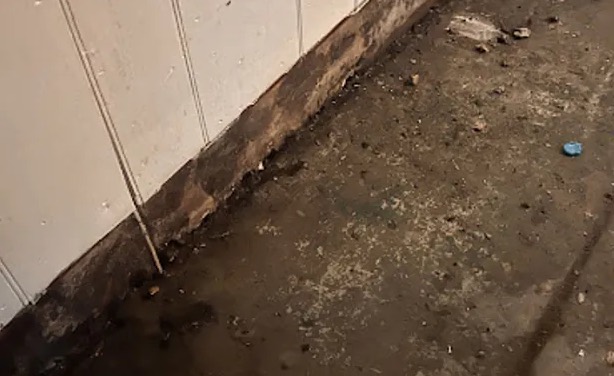
Local Contaminated Water Cleanup Services in Daytona Beach, Florida
Clean water that sits for days can become contaminated. In Daytona Beach, a supply line leak that soaked carpet over a long weekend may need the same cleanup as gray water.
A sewer backup in Daytona Beach can contaminate a whole floor quickly. Local contaminated water removal pros serve Daytona Beach and nearby Holly Hill, South Daytona and Daytona Beach Shores, with help available around the clock.
Complete Contaminated Water Cleanup Process for Daytona Beach
Gray Water Damage Cleanup
Gray water from washing machines, dishwashers or sink drains is extracted, and the floors and cabinets it reached are cleaned before drying.
Sewage Water Cleanup
Water carrying waste or other biological contamination is extracted with full protective gear, and the area is cleaned in a contained zone.
Contaminated Carpet Removal
Carpet and pad soaked by sewage, floodwater or old gray water are cut out, bagged and removed from the home.
Toxic Spill Water Removal
Surfaces touched by chemical-laden water are cleaned with products suited to the contaminant before drying.
Black Water Extraction
Porous materials soaked by black water usually cannot be cleaned safely, so they are bagged and removed before drying.
How to Know You Need Contaminated Water Cleanup in Your Daytona Beach Property
Mold After a Flood
Dark spots on walls or floors after a flood mean contaminated materials have stayed wet too long.
Black Water After Heavy Rains
Water that flowed in from outside after heavy rain carries soil and contaminants and is treated as black water.
Chemical Spill on Property
Water mixed with a spilled chemical, fuel or oil needs careful handling and possibly a hazardous materials contractor.
Water From an Unknown Source
Water you cannot trace to a clean supply line should be treated as contaminated until checked.
How Contaminated Water Cleanup Works in Daytona Beach
Step 1: Initial Hazard Assessment
The type of contamination is identified and the right protective gear is chosen.
Step 2: Source Control and Water Extraction
The backup or leak is stopped, and contaminated water is extracted right away.
Step 3: Removal and Disposal
Contaminated materials are removed, bagged and disposed of according to local rules for that kind of waste.
Step 4: Drying and Dehumidification
Clean surfaces are dried with dehumidifiers and air movers until readings are normal.
Sources of Water Damage Requiring Contaminated Water Cleanup in Daytona Beach
Plumbing System Failures
Cracked drain pipes and failed fittings leak wastewater into walls, floors and crawl spaces.
Natural Disaster Aftermath
After storms and floods, water carries debris and contaminants from streets and yards.
Septic Tank Backups
A full or failing septic system sends wastewater back up through the lowest drains.
Gray Water Source Overflow
Overflowing laundry tubs and sinks send gray water across floors and into nearby rooms.
Contaminated Water Cleanup for Homes and Businesses in Daytona Beach, FL
Residential Contaminated Water Cleanup
A gray water leak from a washer is often less severe than sewage, but it still needs cleaning before drying.
Commercial Contaminated Water Cleanup
Medical offices, schools and childcare centers need contaminated water cleanup that meets the health rules for those spaces before reopening.
Hiring Local Pros vs. DIY Contaminated Water Cleanup in Volusia County
Do not run fans or a household vacuum on contaminated water or wet materials. That spreads bacteria and odor through the house. Call (386) 272-5697 for safe extraction.
Understanding Contaminated Water Cleanup Cost in Daytona Beach, FL
Disposal of contaminated materials, crawl space or below-grade access and after-hours calls all add to the total for contaminated water cleanup in Daytona Beach.
Affected Area Size
Larger contaminated areas need more extraction, more removal of materials, more disinfection and more drying.
Contamination Category
Black water costs more to clean up than gray water, since more materials are removed and disinfected.
Emergency Service Timing
Night, weekend and holiday calls can cost more than a scheduled weekday visit.
Does Insurance Cover Contaminated Water Cleanup?
Photos, removal lists, moisture readings and drying logs from local contaminated water removal pros help support a contaminated water damage claim in Daytona Beach.
The Value of Local Pros for Contaminated Water Cleanup in Volusia County
24/7 Emergency Response
Help is available day or night, because contaminated water cannot wait for business hours.
Odor Control
Removing contaminated materials and disinfecting surfaces deals with odors at their source.
Containment and Sanitization
The area is sealed off and cleaned so contamination stays out of clean rooms.
Around-the-Clock Emergency Contaminated Water Cleanup in Daytona Beach
Sewage or dirty water spreading in Daytona Beach? Stop running water in the house, keep everyone away and call (386) 272-5697. Help is available 24/7.
Call Now (386) 272-5697Contaminated Water Cleanup in Daytona Beach: Your Questions
What is the difference between water extraction and restoration?
Extraction removes the water. Restoration includes cleaning, disinfection, drying and preparing the area for repairs.
How quickly should black water removal begin?
Right away. Black water spreads bacteria and odor into materials the longer it sits, increasing what must be removed.
What happens during the drying phase after cleanup?
Air movers and dehumidifiers dry the cleaned structure, and readings are taken daily until it is normal.
Why is professional contaminated water cleanup important?
It needs protective gear, containment and disinfection to keep contamination from spreading through the house.
What is contaminated water removal?
Extracting gray or black water with protective gear, removing soaked porous materials, disinfecting surfaces and drying the structure.